
Exploring Alabama’s Artificial Reefs: What You Need to Know


Along the sparkling coastline of Alabama lies a hidden world just beneath the surface—one that is teeming with marine life, environmental innovation, and opportunities for adventure. Alabama’s artificial reef program is not only one of the most extensive in the nation but also one of the most successful. Whether you’re a seasoned diver, an avid angler, or simply curious about what lies beneath the waves, exploring these underwater ecosystems offers a fresh perspective on the natural beauty and ingenuity that define the Gulf Coast.
A Purpose Beneath the Waves
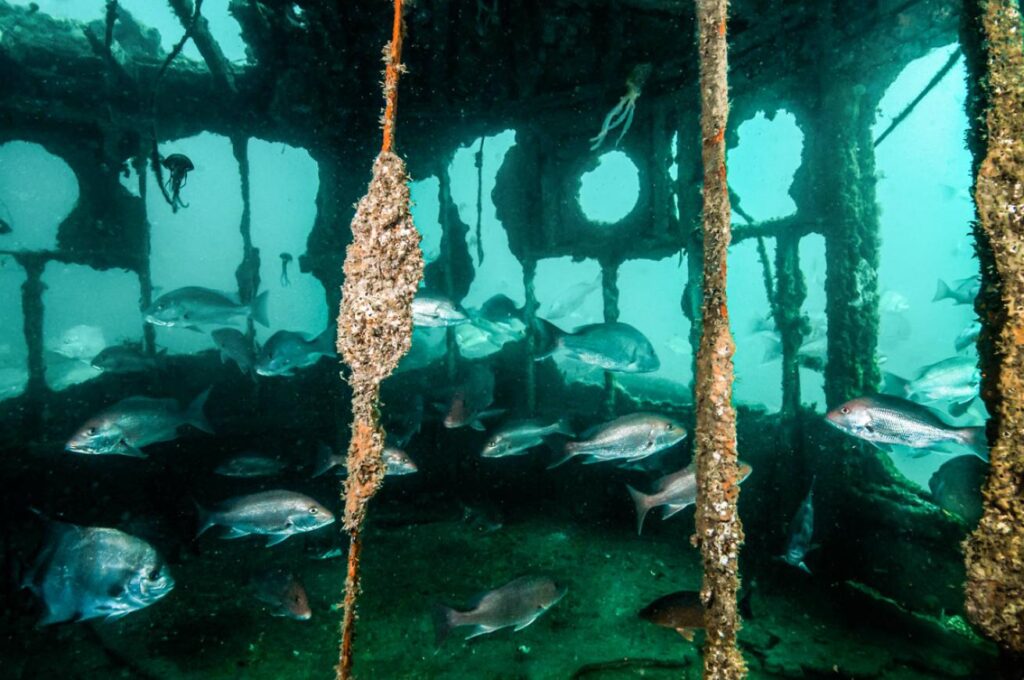
Artificial reefs may sound like something futuristic or manufactured for recreation, but in reality, they are thoughtfully planned and meticulously constructed ecosystems. These structures, placed intentionally on the ocean floor, mimic the functions of natural reefs. Built using concrete, recycled materials, and even decommissioned vessels or oil rigs, they serve as critical habitats for marine life and provide an essential boost to underwater biodiversity.
Alabama’s artificial reef program was initiated as a way to combat the loss of natural reef structures, which have diminished due to environmental factors, hurricanes, and human impact. Over time, these manmade reefs have evolved into complex marine habitats that support fish populations, improve water quality, and offer exciting opportunities for fishing and diving tourism.
Why Alabama Leads the Nation
What many people don’t realize is that Alabama is home to one of the largest artificial reef programs in the United States. The Alabama Department of Conservation and Natural Resources (ADCNR) has invested decades into the development and expansion of its reef zones. With more than 1,200 square miles of permitted reef area in the Gulf of Mexico, Alabama has transformed otherwise barren seabeds into thriving underwater communities.
This commitment to sustainable fisheries and marine preservation has made the state a shining example of what’s possible when conservation meets collaboration. The reefs are not simply dropped at random; they’re strategically placed and monitored to ensure long-term ecological benefits. Scientific data, local expertise, and stakeholder input all play a part in the decision-making process, demonstrating Alabama’s ongoing dedication to environmental stewardship.
A Haven for Marine Life
As soon as a new reef is deployed, nature begins to take over. Within just a few months, marine growth like barnacles, corals, and sponges start to colonize the surfaces. Small baitfish arrive soon after, followed by larger predators such as red snapper, grouper, amberjack, and even sea turtles and sharks. Over time, these reefs evolve into full-blown ecosystems, rich in diversity and dynamic in function.
For fish populations, the reefs provide crucial shelter, feeding grounds, and spawning areas. For the environment, they offer increased filtration and support for declining species. For people, they create vibrant destinations for responsible recreation and research. The transformation is nothing short of magical—what once was an empty expanse of seafloor becomes an underwater city buzzing with life.
Fishing and Diving Paradise
If you’ve spent any time on the Alabama Gulf Coast, you’ve probably heard anglers talk about “heading out to the reefs.” That’s because these artificial structures are hotspots for sport fishing. Red snapper season, in particular, draws thousands of visitors eager to experience the unparalleled fishing these reefs offer. Charter captains know the value of these locations, often keeping their best spots tightly guarded.
Diving enthusiasts are just as drawn to the reef sites. Exploring an artificial reef is like taking a walk through a living, breathing aquarium. Many of the sunken vessels and reef pyramids are accessible to recreational divers, offering a unique experience that blends adventure with environmental appreciation. The Gulf waters are warm and welcoming, making it an ideal place for both beginner and experienced divers to immerse themselves in the beauty of the reef world.
Educational and Ecological Impact
One of the most impressive aspects of Alabama’s reef program is its integration with education and community outreach. Schools, universities, and nonprofit organizations frequently partner with state agencies to study reef development and teach future generations about marine ecology. These partnerships provide real-world learning opportunities and help instill a sense of environmental responsibility in local youth.
Moreover, artificial reefs have become a subject of interest for environmental scientists and conservationists across the globe. Alabama serves as a living laboratory where researchers can examine reef succession, species interaction, and habitat restoration in real time. This blend of practical application and ecological research adds another layer of value to an already impactful program.
How You Can Get Involved
Whether you’re a curious resident or a visitor looking to experience something unforgettable, there are plenty of ways to connect with Alabama’s artificial reefs. Booking a fishing charter or diving excursion is one of the most immersive ways to explore these habitats. Local guides often provide insights into the history and development of each reef site, turning every trip into an informative and engaging experience.
Additionally, staying informed about reef-related events, clean-up efforts, or educational tours can offer opportunities to give back. Supporting organizations that contribute to reef construction or marine preservation ensures that this resource continues to thrive for generations to come.
If you’re a boater, angler, or diver, it’s also important to follow best practices when visiting reef areas. Respecting marine life, avoiding anchor damage, and abiding by fishing regulations are all critical for sustaining the health and integrity of the reef system.
A Treasure Worth Preserving
The success of Alabama’s artificial reefs is a testament to the power of collaboration between government agencies, local communities, and the scientific community. These reefs not only support a vast array of marine life but also drive tourism, enhance the local economy, and elevate Alabama’s reputation as a leader in environmental innovation.
For locals, the reefs represent a source of pride and a reminder of the state’s deep connection to the Gulf. For tourists, they offer a thrilling, eye-opening look into one of the most vibrant underwater ecosystems in the region. And for everyone, they stand as a symbol of what can be achieved through thoughtful planning, shared vision, and a commitment to sustainability.
Dive into the Experience
If you haven’t yet experienced Alabama’s artificial reefs, there’s never been a better time. Whether you’re casting a line, snapping underwater photos, or simply learning more from shore, the reef program has something to offer everyone. It’s an adventure waiting to be discovered—a world of color and life beneath the waves that showcases the very best of the Gulf Coast.
When you think about what makes this stretch of coastline truly special, don’t forget what’s happening below the surface. Alabama’s artificial reefs are more than concrete and coral—they are stories of revival, innovation, and deep respect for the natural world. Come explore them, and see for yourself why this underwater wonder is something you won’t want to miss.


Responses