
Jellyfish on the Gulf Coast: What You Need to Know


There’s nothing quite like a day at the beach along the beautiful Gulf Coast—sunshine, sea breeze, and sparkling water stretching for miles. But as many beachgoers know, those warm, inviting waves can sometimes come with a surprise: jellyfish. These fascinating yet misunderstood creatures are a natural part of our coastal ecosystem. While most encounters are harmless, the occasional sting can be unpleasant if you’re not prepared. Understanding jellyfish behavior, knowing what to look out for, and learning how to treat a sting can make a big difference in enjoying your beach day with peace of mind.
What Are Jellyfish and Why Are They on the Coast?
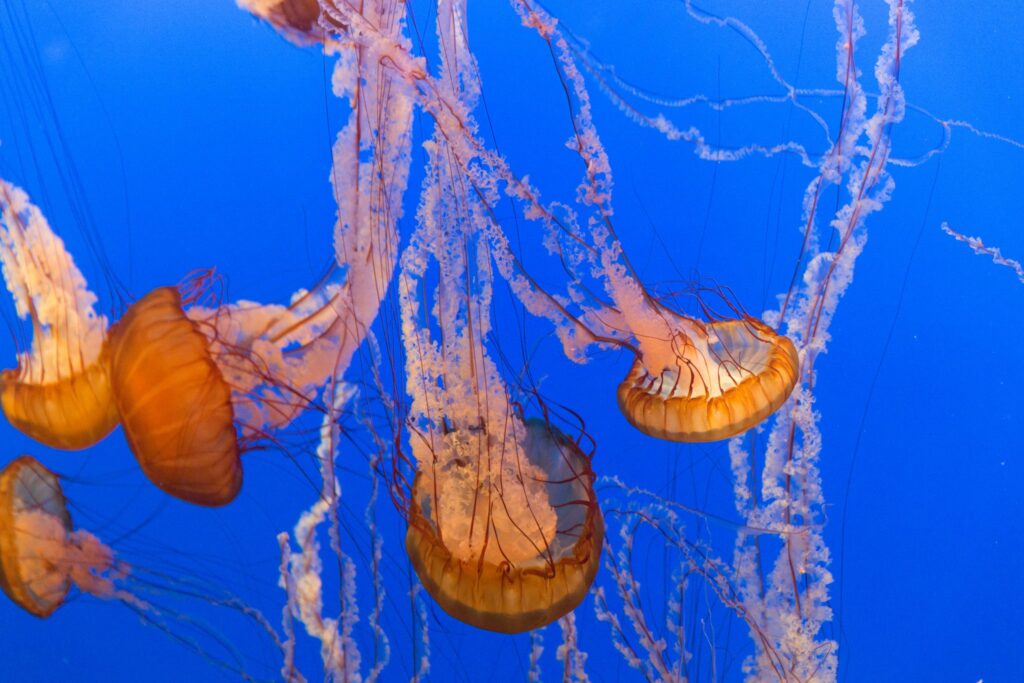
Jellyfish aren’t actually fish at all—they’re invertebrates made mostly of water and gelatinous tissue. They’ve been drifting through the oceans for hundreds of millions of years, and the Gulf Coast is a natural habitat for several species. Their presence can vary depending on tides, temperature, and breeding cycles, so some days you might see dozens, while other days the water seems clear.
Jellyfish are drawn closer to shore by warm waters and currents, particularly in late spring and summer. Some of the common species in Gulf Coast waters include the Moon Jelly, the Atlantic Sea Nettle, and the more notorious Portuguese Man o’ War. While not all jellyfish sting or pose a threat, it’s wise to treat them all with caution, especially if you’re swimming, snorkeling, or walking along the shoreline.
When and Where You’re Most Likely to See Them
Jellyfish blooms—large groups that drift with the current—often appear in warm, calm weather. Late spring through early fall tends to be peak jellyfish season in the Gulf of Mexico. While they can be present at any time, conditions like high tides, wind direction, and water temperature can influence how close they come to shore.
You’re most likely to spot jellyfish on calm days when the water is clear, or after storms when they’re washed up on the beach. Some species are hard to see while swimming because of their translucent bodies, so awareness and precaution are key.
Local lifeguards or beach patrols often post flags to indicate when jellyfish are in the area. A purple flag typically means “dangerous marine life” is present—this includes jellyfish, stingrays, and other sea creatures that could pose a risk. When you see a purple flag, it’s best to stay out of the water or be extremely cautious.
What Happens When You Get Stung?
Jellyfish sting by releasing venom from specialized cells in their tentacles called nematocysts. When those tentacles come into contact with your skin, they can inject the venom, causing a range of symptoms depending on the species and your body’s sensitivity.
Most stings result in mild to moderate symptoms such as:
-
A stinging or burning sensation
-
Redness or welts on the skin
-
Itching or throbbing in the affected area
More severe reactions, though rare, can include nausea, difficulty breathing, chest pain, or a systemic allergic reaction. These cases typically involve more dangerous species like the Portuguese Man o’ War and should be treated as emergencies.
What Not to Do After a Jellyfish Sting
There’s plenty of misinformation about how to treat jellyfish stings, so let’s clear a few things up. You may have heard old myths about urinating on the sting or using freshwater to rinse it off. These are not recommended and can actually make the situation worse.
Freshwater can cause the stingers (nematocysts) still on the skin to fire, intensifying the reaction. The same goes for rubbing the area or using alcohol or ammonia—these can all aggravate the venom.
So if you or someone you know gets stung, skip the folk remedies and follow the steps below instead.
How to Properly Treat a Jellyfish Sting
Here’s what to do if you’re stung by a jellyfish on the Gulf Coast:
1. Get out of the water.
You don’t want to risk additional stings or further agitation of the affected area. Head to shore calmly and quickly.
2. Rinse with vinegar.
Vinegar (acetic acid) helps neutralize jellyfish venom and prevents more nematocysts from firing. Pour vinegar generously over the sting site and let it sit for a few minutes.
3. Remove tentacles with tweezers.
Using a pair of tweezers (not your fingers), gently remove any visible tentacles still on the skin. Avoid scraping the skin, which can trigger more stings.
4. Soak in hot water.
If available, soak the affected area in hot water (not scalding) for 20 to 45 minutes. Heat can help neutralize the venom and reduce pain.
5. Use over-the-counter pain relief.
Ibuprofen, acetaminophen, or an antihistamine like Benadryl can help relieve discomfort, swelling, and itching.
6. Watch for severe reactions.
If the person experiences difficulty breathing, chest pain, dizziness, or a spreading rash, seek medical attention immediately.
When to See a Doctor
While most jellyfish stings can be treated at the beach or at home, some situations call for professional care. Seek medical help if:
-
The sting involves a large area of skin
-
The pain is intense and not improving
-
Signs of an allergic reaction appear
-
The sting came from a suspected Portuguese Man o’ War
-
The victim is a young child or has pre-existing health conditions
Gulf Shores and Orange Beach have urgent care centers that can assist with sting treatment if needed. It’s better to err on the side of caution if you’re unsure.
How to Avoid Jellyfish Stings
Prevention is always the best remedy, and there are several ways to reduce your risk of being stung:
-
Pay attention to beach flag warnings and signage
-
Wear water shoes or rash guards when swimming
-
Avoid swimming on days when jellyfish are visible in the water
-
Never touch a jellyfish, even if it looks dead on the shore
-
Keep a small bottle of vinegar in your beach bag just in case
Some companies sell protective creams and sprays designed to reduce sting severity, but the most effective protection is still vigilance and caution.
Respecting Our Coastal Ecosystem
Jellyfish are a vital part of our ocean ecosystem. They serve as food for turtles and fish and help keep the balance of marine life in check. While their stings may be inconvenient, they’re not out to get us—they’re just doing what nature programmed them to do. Educating yourself and your family about these creatures helps foster a greater appreciation for the marine world and encourages safe, respectful interaction with the beach environment.
Final Thoughts
Jellyfish sightings on the Gulf Coast are a normal part of coastal life. With a little awareness and preparation, you can enjoy your time at the beach while staying safe. Whether you’re dipping your toes in the waves or exploring tide pools with the kids, knowing how to recognize, avoid, and treat jellyfish stings ensures you’re ready for whatever the sea may bring.
So pack that vinegar, stay informed, and enjoy everything our amazing shoreline has to offer!




Responses