
Why the Sand is So White: The Science Behind Our Beautiful Beaches

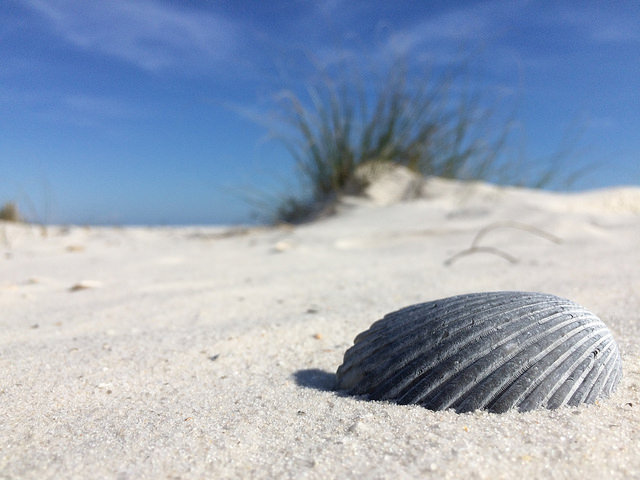
When you step onto the beaches of the Gulf Coast, one of the first things you notice is the brilliant, almost blinding whiteness of the sand. It’s soft, powdery, and cool under your feet even in the heat of the summer sun. Tourists and locals alike marvel at how unique it feels compared to other coastlines. But have you ever wondered why the sand here is so remarkably white? The answer lies in a fascinating combination of geology, geography, and time. The stunning beaches of Gulf Shores, Orange Beach, and the surrounding Gulf Coast aren’t just pretty to look at—they’re the result of an incredible natural story that spans thousands of years.
The Geological Origins of Gulf Coast Sand
To understand the color and texture of Gulf Coast sand, we have to trace its origins back to the Appalachian Mountains. Yes, you read that right—the sand on our beaches started out as rock high up in the ancient Appalachians, hundreds of miles away. Over millions of years, those mountains weathered and eroded, breaking down into tiny particles that were carried by rivers like the Apalachicola and the Mississippi all the way down to the Gulf of Mexico. This process transported vast amounts of quartz, a mineral known for its durability and purity.
What makes quartz special is its light color and crystalline structure. As it breaks down into fine particles through natural erosion, it forms the primary ingredient in our soft white sand. Quartz is resistant to weathering, which means that even after a long journey from the mountains, it remains mostly intact. Once it reaches the coastline, it settles and builds up over time, forming the sugary white beaches we love today.
Why Gulf Coast Sand is Whiter Than Other Beaches
While quartz is common in beach sand across many parts of the world, few places have the same high concentration and purity found along the Gulf Coast. The sand here is about 99% pure quartz, which is why it appears so white and sparkles in the sunlight. In contrast, beaches in other areas might have sand that includes darker minerals like feldspar, magnetite, or even volcanic rock, which can give those beaches a more tan, gray, or even black appearance.
Another reason our sand stands out is the lack of organic material and shell fragments. In some coastal areas, a beach’s sand is made up of crushed coral or shells, which can create coarser textures and creamier colors. But along the Alabama and Florida Panhandle stretch of the Gulf Coast, the quartz particles have been sorted and sifted by the waves over centuries, leaving behind only the finest, most uniform grains.
The gentle wave action of the Gulf of Mexico also plays a role in preserving the pristine look of our beaches. Unlike oceans with massive waves and rough currents, the Gulf tends to be calmer, allowing the light, fine quartz particles to settle evenly and remain onshore rather than being pulled back out to sea.
The Role of Barrier Islands and Coastal Ecosystems
The geography of the Gulf Coast, including the presence of barrier islands and inlets, has helped create the perfect environment for white sand to accumulate and thrive. Barrier islands like those found in Perdido Key, Dauphin Island, and the surrounding stretches of coastline help trap and stabilize sand deposits. These islands act as buffers, reducing the impact of strong waves and allowing the sand to stay in place.
Additionally, dune vegetation such as sea oats and grasses help anchor the sand and prevent erosion. These plants trap sand particles as they’re blown by the wind, building up the dune systems and preserving the beach. The result is a dynamic but stable system that protects the purity and color of the sand, even as it continues to shift and move with natural weather patterns.
Environmental Protections That Keep Our Beaches Beautiful
Maintaining the stunning white sand beaches of the Gulf Coast isn’t just a happy accident—it’s also the result of conscious conservation efforts. Local governments and environmental agencies have implemented beach nourishment programs, dune restoration projects, and coastal management plans that help minimize erosion and replenish sand when needed.
These programs often involve dredging sand from offshore deposits or nearby channels and placing it back onto eroded sections of the beach. The goal is always to use sand that closely matches the original in composition and color, ensuring that the beauty and integrity of the beach are preserved for future generations.
Additionally, efforts to reduce pollution and prevent oil spills or runoff protect the water quality and overall ecosystem health. Clean waters and intact dunes mean that the white sand stays clean, vibrant, and soft, even in high-traffic areas.
How You Can Help Protect the White Sand Beaches
While much of the work to maintain these beaches is handled by experts and city planners, everyday visitors can also play an important role in preserving the beauty of the Gulf Coast. Simple actions like picking up litter, staying off fragile dunes, and respecting local wildlife can go a long way. Using boardwalks instead of walking over sand dunes helps prevent erosion and protects the plants that hold the sand in place.
Choosing reef-safe sunscreen and being mindful of the items you bring to the beach also contribute to keeping the ecosystem clean and thriving. After all, protecting the white sands of Gulf Shores and Orange Beach isn’t just about looks—it’s about preserving the natural wonder and delicate balance of an entire coastal system.
A Unique Experience That Draws the World
The soft, white sand of the Gulf Coast is more than just a backdrop for beach days and vacation photos. It’s a defining feature of our region, one that draws millions of visitors each year and contributes to the charm, appeal, and identity of coastal Alabama and the Florida Panhandle. From families building sandcastles to sunrise yoga sessions by the water, the sand is part of every experience here. Its unique composition, feel, and look are part of what make our coastline such a beloved destination.
Whether you’re a lifelong local or a first-time visitor, understanding the science behind our sugar-white sand adds a new level of appreciation for the natural beauty of this place. It’s not just pretty—it’s the result of a geological journey, careful environmental stewardship, and a unique set of conditions that exist in very few places on Earth.
Next time you’re walking along the shoreline, feel the fine grains beneath your feet and think about the ancient mountains they came from, the rivers that carried them, and the generations of waves that have polished them into pearls of sand. You’re not just enjoying a beach—you’re experiencing millions of years of natural history.



weed chocolate bars online available