
Witness the Wonder: Sea Turtle Hatching Season on the Alabama Gulf Coast

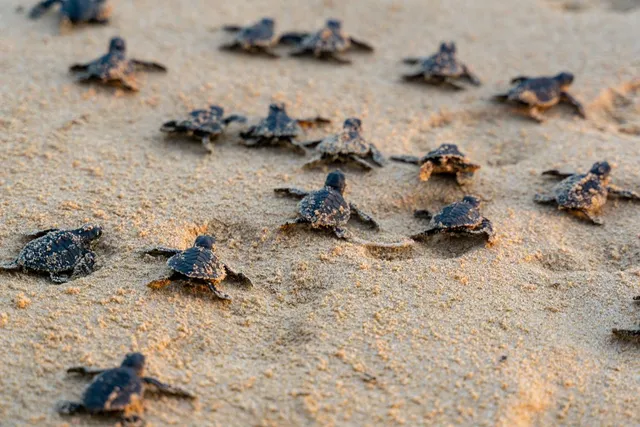
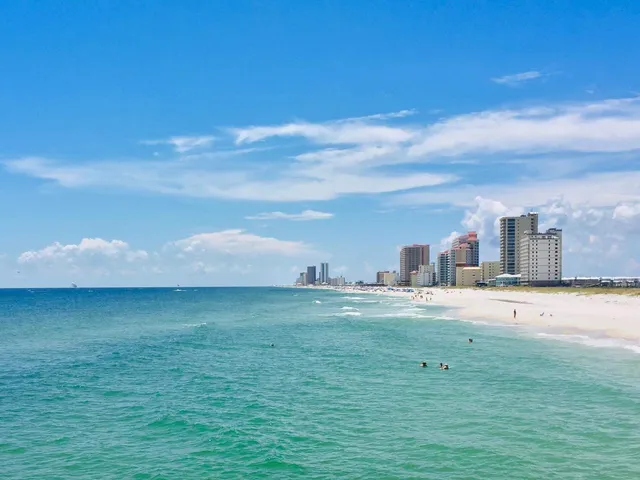
Each year, something magical happens along the white-sand shores of Gulf Shores and Orange Beach. As the summer sun begins to wane, hundreds of tiny sea turtles emerge from their nests, guided by instinct and moonlight, making their journey toward the Gulf of Mexico. For locals and beachgoers who happen to catch a glimpse of this rare event, it’s an unforgettable experience—and one of the most extraordinary natural wonders along the Alabama coastline.
Sea turtle hatching season isn’t just a beautiful sight—it’s also a vital part of the region’s delicate ecosystem, and a powerful reminder of why preserving our beaches is so important. Here’s everything you need to know about the season, the science behind it, and how you can be part of protecting these incredible creatures.
What Makes Gulf Shores and Orange Beach a Nesting Haven?
The warm, sandy shores of the Alabama Gulf Coast provide ideal nesting conditions for sea turtles—specifically the endangered loggerhead sea turtle, which nests here more than any other species. From May through October, female loggerheads come ashore under cover of night to lay their eggs, carefully burying them in the sand before returning to the sea.
Each nest can contain 100 or more eggs, and around 55–70 days later, the hatchlings begin to emerge. Most of the action happens in late summer, typically from late July through September. Because sea turtles are guided by natural light—specifically the reflection of the moon and stars on the water—they instinctively crawl toward the Gulf, often in large groups.
The Role of Share the Beach Volunteers
Protecting sea turtles isn’t a solo effort. The Alabama-based volunteer group Share the Beach plays a crucial role in safeguarding nests and educating the public. Every nesting season, volunteers monitor the beaches, mark and guard active nests, assist with hatchings, and ensure that as many turtles as possible reach the water safely.
They also help minimize human impact by spreading awareness about keeping beaches clean and dark at night. Without their efforts—and the support of local residents and visitors—these endangered hatchlings would face even steeper odds.
Why Artificial Light and Human Activity Pose a Threat
Sea turtles are incredibly sensitive to light. Artificial light from beachfront condos, homes, and flashlights can confuse hatchlings, drawing them inland instead of toward the water. Disorientation can be deadly, as it leaves them vulnerable to dehydration, predators, or simply being lost.
That’s why beachgoers and property owners are encouraged to “keep it dark” during nesting and hatching season. Turning off outdoor lights, closing blinds, and avoiding flash photography all help turtles find their way to the sea without interference.
Foot traffic and beach furniture can also pose a problem. Hatchlings can get trapped in ruts left by tires or beach chairs, and nesting females may avoid areas with too much human disturbance. To minimize impact, it’s best to remove furniture nightly and avoid walking in roped-off nesting zones.
How to Responsibly Watch a Hatching Event
If you’re lucky enough to witness a turtle hatching, it’s essential to observe respectfully. You should never touch or interfere with hatchlings, shine lights on them, or use flash photography. Stay behind any protective barriers, keep your distance, and enjoy the moment quietly.
Sometimes, trained volunteers will be on-site to guide spectators and help the turtles reach the water. These moments are part of what makes the Gulf Coast such a special place—experiences that connect us deeply to nature and remind us why conservation matters.
Educational Opportunities for Families and Visitors
Turtle hatching season offers a unique opportunity for families and visitors to learn about marine life and environmental responsibility. Share the Beach and the Alabama Gulf Coast Zoo often provide educational programming, including turtle talks, beach cleanups, and kid-friendly conservation activities.
You don’t have to be a scientist or a volunteer to make a difference. Simply teaching your children about the importance of respecting wildlife, avoiding litter, and turning off lights at night goes a long way in building future stewards of the coast.
What You Can Do to Help Year-Round
Even if you’re not in Gulf Shores or Orange Beach during hatching season, there are still ways to contribute to the protection of sea turtles and their habitat. Supporting conservation groups, choosing eco-friendly travel options, and spreading awareness through social media can all make a meaningful impact.
Locally, small actions like using reusable beach gear, picking up trash—even if it’s not yours—and following Leave No Trace principles make a big difference. Every piece of litter removed is one less hazard for marine life.
Why Turtle Season is Good for the Community, Too
Beyond the environmental impact, sea turtle season also boosts eco-tourism and community engagement. Visitors are drawn to the chance of seeing a hatching or learning more about marine conservation. Local businesses benefit from the increased awareness, and schools often incorporate turtle education into their science and environmental studies.
This beautiful, tiny creature becomes a symbol of unity—reminding us that preserving what’s wild and free requires collective care. The community pride that surrounds turtle nesting season is just one more reason to love life on the Gulf Coast.
Keep the Magic Alive for Generations to Come
Watching a sea turtle hatch and crawl toward the waves is one of those rare moments that can stop you in your tracks. It’s a gentle but powerful reminder of the wonders that surround us, the fragility of our environment, and our responsibility to protect it.
Whether you’re a lifelong local or visiting the coast for the first time, respecting and supporting turtle nesting season helps ensure that future generations will get to witness this awe-inspiring event. So next time you’re on the beach and see a marked nest—or maybe even a few tiny flippers making their way to the water—know that you’re part of something much bigger than a beach vacation. You’re part of a legacy.


Responses