
Hurricane Season on the Gulf Coast: What Every Beachgoer Needs to Know

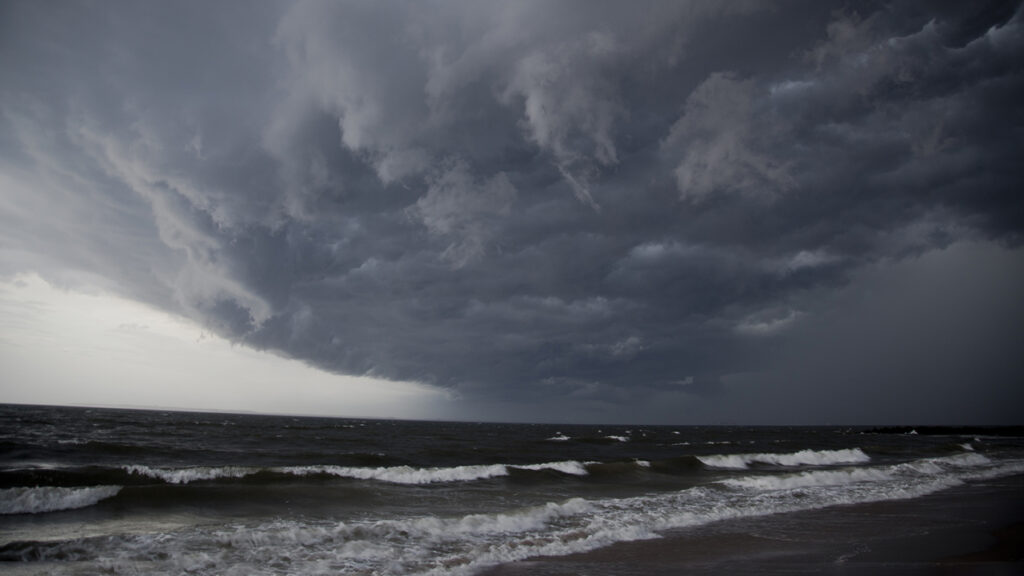
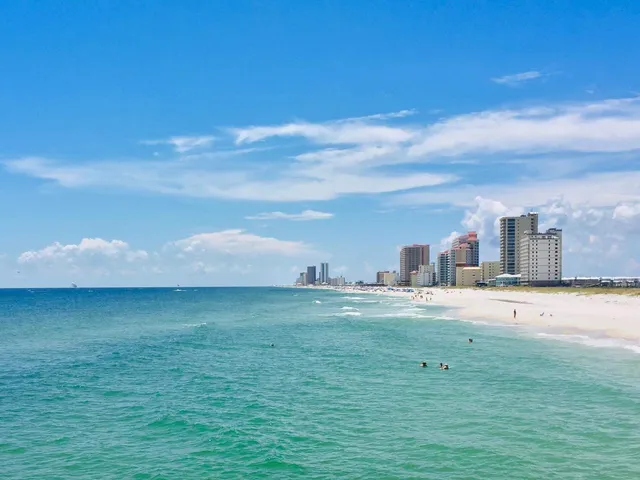
There’s nothing quite like summer on the Gulf Coast. The salty breeze, sugar-white sand, and warm ocean waves draw visitors from all over the country to places like Gulf Shores, Orange Beach, and the surrounding coastal communities. But while summer means long beach days and seafood dinners on the bay, it also signals the arrival of something else: hurricane season. For longtime locals, hurricane season is simply part of life by the water. But for first-timers, seasonal renters, or even those visiting for a week, it can come as a surprise. If you’re planning to spend time on the Gulf Coast between June and November, it’s worth understanding a few hurricane season basics—especially when the weather can change in the blink of an eye.
When Is Hurricane Season and What Does It Mean?
Hurricane season officially runs from June 1 through November 30, with the highest likelihood of storms occurring between mid-August and early October. That’s when water temperatures in the Gulf of Mexico are at their warmest, creating ideal conditions for tropical storms to form, grow, and potentially make landfall. A “hurricane” is a type of tropical cyclone with sustained winds of at least 74 mph. These storms are rated on the Saffir-Simpson scale, ranging from Category 1 (least intense) to Category 5 (most extreme). But it’s important to remember that hurricane intensity isn’t only about wind speed. Rainfall, storm surge, and tornado potential can be just as dangerous—even in lower-category storms.
Why It Matters, Even If You’re Just Visiting
Many vacationers assume that hurricane season won’t affect them, especially if they’re only visiting for a short trip. But the truth is, even a mild tropical system offshore can disrupt beach plans with high winds, rip currents, beach closures, or heavy rain. Stronger systems can impact roadways, flight schedules, and power availability. Being aware of the season and having a basic understanding of storm behavior allows you to make smart decisions and stay safe without overreacting. And remember, storm systems can form quickly. What starts as a tropical depression near Cuba can become a Category 2 hurricane heading toward the Alabama coast in just a few days. That’s why it’s better to be prepared—just in case.
Did You Know? Surprising Hurricane Facts
If you’re new to the Gulf Coast or simply curious, here are a few interesting facts about hurricane season. The warm, shallow waters of the Gulf of Mexico act like fuel for tropical storms, making the Gulf Coast a common target for hurricanes, especially in late summer. The Saffir-Simpson scale only tells part of the story. A Category 1 storm can still produce 10+ inches of rain and life-threatening storm surge. In fact, many of the deadliest hurricanes in history were not Category 5 storms. The eye of the hurricane—often calm and eerie—is surrounded by the eyewall, which contains the most intense winds and rainfall. Tornadoes can spin off from hurricanes, particularly in the outer bands. These are often short-lived but dangerous. Even after the storm passes, risks remain. Downed power lines, flooding, and contamination can last for days. These facts aren’t meant to scare you, just to give you a better idea of how powerful these storms can be and why preparation matters.
What the Locals Know That You Should Too
Living on the Gulf Coast means learning a few things about hurricanes early on. For many locals, hurricane season prep is just another part of summer—like checking the air conditioner or changing the oil before a road trip. Locals know which apps and alerts to follow. Most people here rely on MyRadar, NOAA’s National Weather Service updates, or even spaghetti model forecasts to track storm systems. They keep extra gas on hand, stock up on nonperishable food, and double-check their insurance policies by mid-July. Many have go-bags packed with essentials in case of a sudden evacuation. Coastal residents also understand the difference between a hurricane watch and a hurricane warning. A watch means conditions could happen within 48 hours. A warning means they will. That 24-hour difference can be critical when it comes to deciding whether to evacuate, cancel plans, or shelter in place.
Visiting the Gulf Coast During Hurricane Season
If you’re planning a beach vacation between June and November, don’t panic—it’s absolutely still worth visiting. Some of the most beautiful days on the coast fall during hurricane season. But it’s smart to stay informed and ready to adjust your plans if necessary. First, consider booking accommodations with flexible cancellation policies or travel insurance. You never want to be stuck with a non-refundable deposit if a hurricane forces you to reschedule. Second, follow weather updates, especially in the week leading up to your trip. Keep an eye on local news sources, city emergency alerts, or apps like AccuWeather or Weather Underground. Third, be flexible. If a storm is forecast to pass nearby, it may be best to delay your arrival or change locations altogether. Your safety always comes first. Fourth, respect local advisories. If the beach is closed or a curfew is in place, it’s for your safety and the safety of emergency responders. Trust the locals—they’ve been through this before.
A Just-in-Case Packing List
Nobody wants to think about weather emergencies on vacation, but packing a few extra items can give you peace of mind. While you’re unlikely to need them, things like a battery-powered charger, a flashlight, a small first aid kit, and a hard copy of important phone numbers can go a long way if cell service drops. Pack extra snacks and bottled water if you’re driving in during active storm days. If you’re renting a condo or house, find out where the breaker box and water shutoff valves are located just in case. Also, make sure to keep your gas tank at least half full during your trip. Gas lines can get long when a storm is brewing.
When to Ride It Out vs. When to Go
Knowing when to evacuate and when to hunker down is important. If local officials recommend evacuation, follow their instructions. Evacuating may seem inconvenient, but staying through a hurricane without proper supplies or preparation can be life-threatening. Don’t wait until the last minute—roads can get congested quickly. If you’re staying in a rental, ask the property manager or host about their storm protocol. Some condos or hotels may shut down operations well ahead of a storm. If you’re a new Gulf Coast resident, talk to your neighbors and learn from their past experiences. Many longtime locals have lived through storms like Ivan, Katrina, or Sally and can offer helpful insight on how to prepare, what to expect, and when to leave.
Weather Doesn’t Have to Ruin the Fun
Yes, hurricane season is something to take seriously—but it doesn’t mean canceling all your summer plans. Many beachgoers visit during hurricane season every year and never experience a single drop of rain. Being aware, informed, and flexible is what makes the difference. When the weather is good, you’ll find fewer crowds, warm water, stunning sunsets, and a laid-back beach vibe that’s hard to beat. If a storm does threaten, having a backup plan like indoor attractions, nearby cities to explore, or just cozying up with a good book in your rental can still make for a memorable trip.
Stay Safe and Enjoy the Coast
The Gulf Coast is one of the most beautiful and resilient places in the country. From the people to the scenery to the food and culture, there’s a reason so many return year after year. Hurricane season is simply a part of life here—something locals prepare for, not something they fear. For visitors and first-timers, a little knowledge and preparation go a long way. Whether you’re soaking up the sun on a perfect July afternoon or tracking a late-season storm in October, understanding how hurricane season works helps you enjoy your time at the beach safely and stress-free.




Responses