
What the Tide Brings In: A Guide to Beachcombing on the Gulf Coast

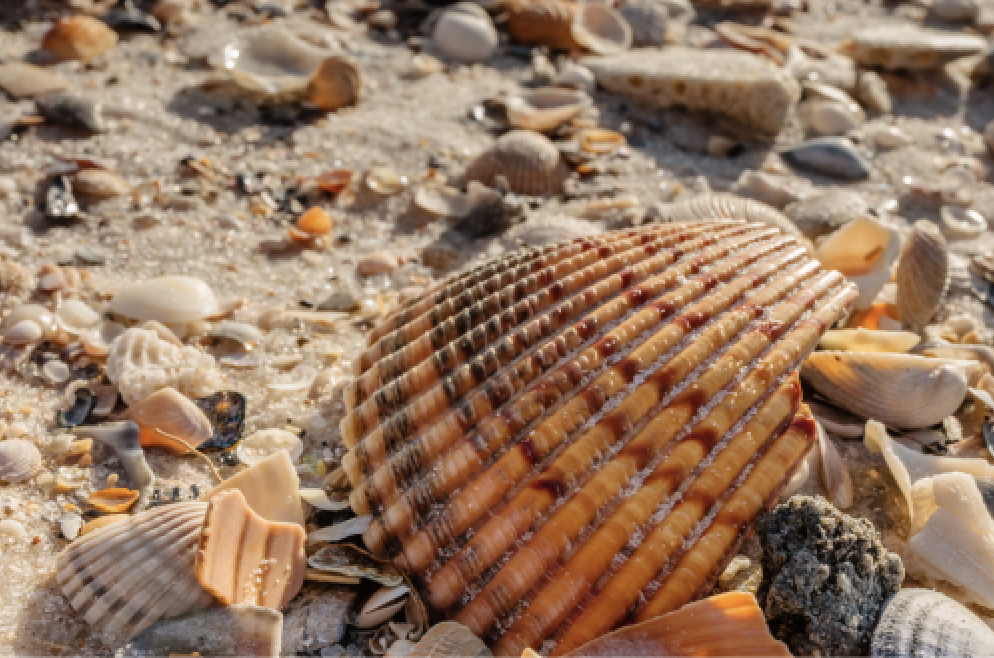
The beach offers more than sun, sand, and surf. For those who know where to look, the shoreline is a living, shifting museum full of treasures. Beachcombing, the simple act of exploring the sand for natural and manmade finds, has long captured the imagination of coastal visitors. Whether you’re strolling at sunrise with a cup of coffee in hand or wandering barefoot at dusk with the salt breeze on your skin, each walk offers something new. The Gulf Coast in particular is known for its abundance of beautiful shells, sea beans, driftwood, and more. But beachcombing is more than just collecting—it’s a window into the natural rhythms of the ocean, the mystery of what lies beneath, and the impact we humans have on marine ecosystems.
A Coastal Ritual Steeped in Discovery
Beachcombing isn’t a race to find the most valuable object—it’s a ritual of patience, presence, and curiosity. Every tide tells a story, and what gets left behind on the shore can change by the hour. Some days bring delicate shells glinting in the sunlight, while others reveal tangled seaweed, smoothed glass, or weathered bits of driftwood. There’s something quietly thrilling about spotting something unexpected—a perfectly intact sand dollar, a jellyfish pulse left by the waves, or a smooth stone unlike any other. These moments ground us in the present and remind us of the immense power and mystery of the sea.
Children often take to beachcombing with natural enthusiasm, but adults find it just as rewarding. There’s no wrong way to do it—some people collect, others photograph, and many simply observe and leave things in place. What matters most is the attention and care given to each discovery.
Understanding the Tide’s Role in the Hunt
If you want to time your beachcombing right, you need to understand the tide. The best treasures often appear at low tide, when the water has receded and exposed more of the beach. High tide tends to bring in fresh material, which can settle in wrack lines—bands of debris that mark where the last tide reached before retreating. These lines often contain seaweed, shells, small bits of driftwood, feathers, and sometimes unusual marine organisms. After a storm, the beach can look completely different, offering up items carried from deeper waters. That’s why regular beachcombers often check tide charts and plan their walks around the sea’s schedule. It’s part science, part luck, and entirely shaped by the moon’s gravitational pull.
Shells, Sea Glass, and Gulf Coast Gems
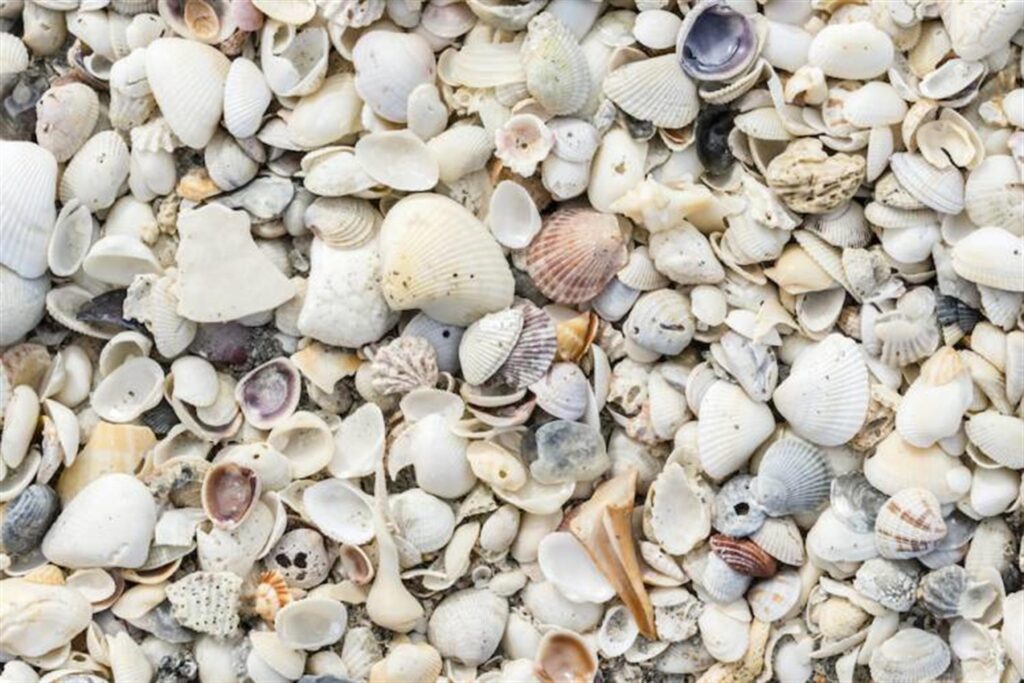
The Gulf Coast is a rich area for shell hunters. Depending on the location and time of year, you might find everything from fragile coquina shells to ridged scallops and sturdy conchs. Sand dollars, lightning whelks, and auger shells are also common, especially after strong tides or storms. When you pick up a shell, it’s a good idea to check if it’s occupied. Many marine creatures use empty shells as homes, and disturbing live animals can disrupt local ecosystems. A good rule of thumb is to only take completely empty shells and leave anything that’s still inhabited.
Sea glass is another sought-after treasure. Though technically manmade, it earns its place in the beachcomber’s haul through years of tumbling in the surf. Bits of glass discarded long ago are worn smooth by sand and waves, turning them into frosted jewels in shades of green, blue, brown, or—rarely—reds and purples. Each piece tells a story of time, tide, and transformation.
Driftwood, Coral, and Unusual Finds
Not everything found on the beach is small or shiny. Driftwood, bleached by sun and salt, can be a sculptural reminder of the sea’s reach. Some pieces are light and smooth, others gnarled and textured, each one shaped by its journey. Small pieces of coral, sea sponges, and even the occasional sea bean—tropical seeds that float thousands of miles from South America or the Caribbean—might also appear on the sand.
Occasionally, beachcombers find marine artifacts: fishing net floats, buoys, weathered boat pieces, or even messages in bottles. While rare, these discoveries spark the imagination and connect us with the vast and unpredictable nature of the ocean. Every item has a story, and half the fun lies in imagining where it came from and how it ended up on your stretch of shore.
Beachcombing as a Lens into Marine Life
Beyond collecting, beachcombing offers a unique opportunity to observe local wildlife and natural cycles. Egg casings from stingrays or sharks, jellyfish stranded in the shallows, sea turtle tracks in the sand, or the molted exoskeletons of crabs all provide clues about the creatures that inhabit the nearby waters. Taking note of these signs helps build a connection with the ocean as a living system. Instead of seeing the beach as a backdrop for relaxation alone, beachcombers begin to understand it as an ever-changing ecosystem teeming with life, most of which stays hidden beneath the waves.
The more time you spend beachcombing, the more attuned you become to seasonal shifts. Certain shells appear more frequently in spring, while storms in late summer bring deeper ocean items closer to shore. Even bird migrations can be tracked through feathers and footprints. It’s a meditative way to learn about the environment without formal study—just time, attention, and a good pair of eyes.
Responsible Beachcombing and Ethical Practices
It’s important to remember that not everything washed up is ours to take. Responsible beachcombing means knowing when to leave something where you found it. Live shells, nesting sites, sea turtle eggs, and native vegetation should always be left undisturbed. Many coastal regions have rules about what can and can’t be removed from the beach, especially when it comes to protected species or conservation zones. When in doubt, it’s best to photograph rather than collect.
Another key aspect of responsible beachcombing is cleaning up as you go. It’s common to find plastic, fishing line, or other human-made debris among the natural wrack. Taking a small bag with you and picking up litter not only helps protect wildlife but also preserves the beauty of the beach for others. It’s a simple way to give back to a place that gives so much.
Beachcombing as Mindfulness
There’s something deeply peaceful about scanning the sand, eyes low, footsteps slow, and thoughts quiet. Beachcombing invites you into a state of mindfulness where the rest of the world fades away. You’re not worrying about the clock or your to-do list. You’re just present—tuned into the rhythm of the waves, the textures beneath your feet, and the treasures half-buried in the sand. It’s no wonder so many people find it therapeutic.
For those who struggle to sit still, beachcombing offers a kind of moving meditation. It provides purpose to a walk while still encouraging observation and calm. It’s especially valuable for families, offering a screen-free, curiosity-fueled activity that engages all ages. A child might marvel at a broken shell, while an adult might find beauty in the perfect spiral of a moon snail. The beach, after all, holds something for everyone.
Making the Most of Your Time on the Sand
To fully enjoy beachcombing, come prepared. Bring a reusable bag or container for any items you plan to keep, wear comfortable shoes or go barefoot if the sand allows, and apply reef-safe sunscreen to protect yourself and the ocean. Early mornings and late afternoons tend to be the best times to walk the beach—not just for the tide, but for the light. The way sunlight hits the wet sand in those golden hours makes even ordinary finds shine.
Each trip is different, and that’s what makes beachcombing so endlessly rewarding. Some days you’ll leave with a pocket full of treasures, and others with nothing more than the memory of a beautiful walk and a few curious seagulls. But even when the beach seems empty, it’s never really devoid of discovery. You just have to look a little closer.
A Quiet Celebration of the Sea
Beachcombing is more than a hobby—it’s a quiet celebration of the sea and the many ways it reaches into our lives. It teaches patience, fuels imagination, and deepens our understanding of the coastal world. Whether you go alone or bring a bucket and a child’s wonder, every walk holds the promise of something new. And each small treasure found—be it shell, stone, or story—reminds us that the beach is alive with possibility.
So next time you head to the shore, look down. The tide has a gift for you. All you have to do is notice.




Responses