
Understanding the Role of the Perdido Pass Jetties


At first glance, the jetties at Orange Beach’s Perdido Pass might just look like big piles of rocks stretching out into the water. But those structures are much more than that. The jetties play a crucial role in marine navigation, public safety, and coastal protection. For boaters, swimmers, and beachgoers alike, understanding the significance of these jetties—and the waters they surround—can mean the difference between a fun day on the water and a dangerous encounter with currents or collisions.
Perdido Pass is the main inlet that connects the Gulf of Mexico with the back bays of Orange Beach. These jetties were constructed to stabilize that channel, guiding boats safely in and out of the Gulf while also preventing erosion and shifting sands that can close off or dramatically narrow the passage. Because this is one of the busiest boating areas along the Alabama coast, the proper use and respect of the jetties are vital to keeping traffic flowing smoothly and safely.
Why Direction Matters in This Dangerous Pass
Unlike a calm lake or bay, Perdido Pass is subject to intense tidal movements and strong currents that change throughout the day. That’s why understanding boat direction matters so much here. One of the greatest dangers for boaters navigating the pass is misjudging the strength of the tide or misunderstanding when it is safe to head out or come in.
When the tide is coming in (flood tide), the water rushes into the bay system from the Gulf, and the current can be deceptively strong—especially near the jetties. Boats heading out of the pass during this time may struggle against the incoming current. Conversely, during an outgoing tide (ebb tide), water flows strongly from the bay back into the Gulf. A boat trying to return through the pass during a strong ebb tide might be pushed out toward the open Gulf faster than expected.
The safest and most efficient approach is always to go with the tide when possible. Boaters should check tide charts before launching and time their trip accordingly. Going against the tide not only wastes fuel but can put you at serious risk of losing control, especially in smaller or less powerful vessels.
How the Jetties Stabilize the Waterway
The jetties themselves are built from massive rocks and concrete, anchored into the seafloor to withstand constant pounding from waves and currents. Their primary function is to keep the channel between them open and navigable. Before the jetties were installed, sand and sediment would frequently shift, closing off parts of the channel and creating sandbars that were hazardous to boats.
Now, the jetties funnel water in a controlled way, reducing the buildup of sediment and making the pass more predictable for boaters. This controlled flow also helps maintain deeper water in the center of the channel, which is essential for larger boats with deeper drafts. Still, it’s important to note that shoaling can still happen, and depths may vary after storms or high surf conditions. Local knowledge and updated depth charts can help prevent surprises.
The presence of the jetties also helps protect nearby beachfront properties and infrastructure. By guiding tidal flows and wave action away from sensitive shorelines, they reduce erosion and minimize damage during storms or hurricanes. While they don’t eliminate the risks of coastal erosion entirely, they are a critical part of the local coastal management strategy.
The Dangers of Navigating Too Close to the Rocks
One of the biggest mistakes boaters make when passing through the jetties is cutting too close to the rocks. While it might look like a shortcut, those boulders extend below the waterline, and their position can shift slightly over time due to storms or movement. Hitting the rocks can cause massive hull damage or even sink a vessel.
Additionally, waves breaking near the rocks can bounce back and create unpredictable choppy conditions. These rebound waves can make it difficult to steer, especially for smaller boats, jet skis, or paddlecraft. It’s always best to stay in the center of the channel and follow any posted markers or buoys that indicate the safest route through the pass.
Not only are the rocks a hazard to boats, but they’re also extremely dangerous for swimmers. The currents near the jetties are some of the strongest in the area and can easily pull swimmers under or push them into sharp rocks. That’s why swimming near the jetties is strongly discouraged and often marked as a restricted area. Even experienced swimmers or snorkelers can get into trouble quickly.
Understanding the Tidal Current’s Role in Safety
The tidal currents that move through the pass are among the most powerful along the Alabama coast. These currents can reach speeds of 3 to 5 knots depending on the tide cycle, which is more than enough to overpower a boat that isn’t under control or a swimmer who underestimates the flow. Timing your pass based on tidal movement is not just about efficiency—it’s about safety.
Currents also create what’s known as hydraulic turbulence. When water flows through narrow channels like Perdido Pass, it accelerates and can create whirlpools, eddies, and standing waves—especially during peak tidal changes. These conditions can flip kayaks, swamp boats, or cause inexperienced captains to lose control.
Local marinas and charter captains always advise checking the tides before heading through the pass. For newcomers to the area, it’s also wise to follow another experienced boater through the pass until you’re familiar with how it flows. And when in doubt, don’t push your luck—wait for safer conditions.
Fishing, Wildlife, and Environmental Importance
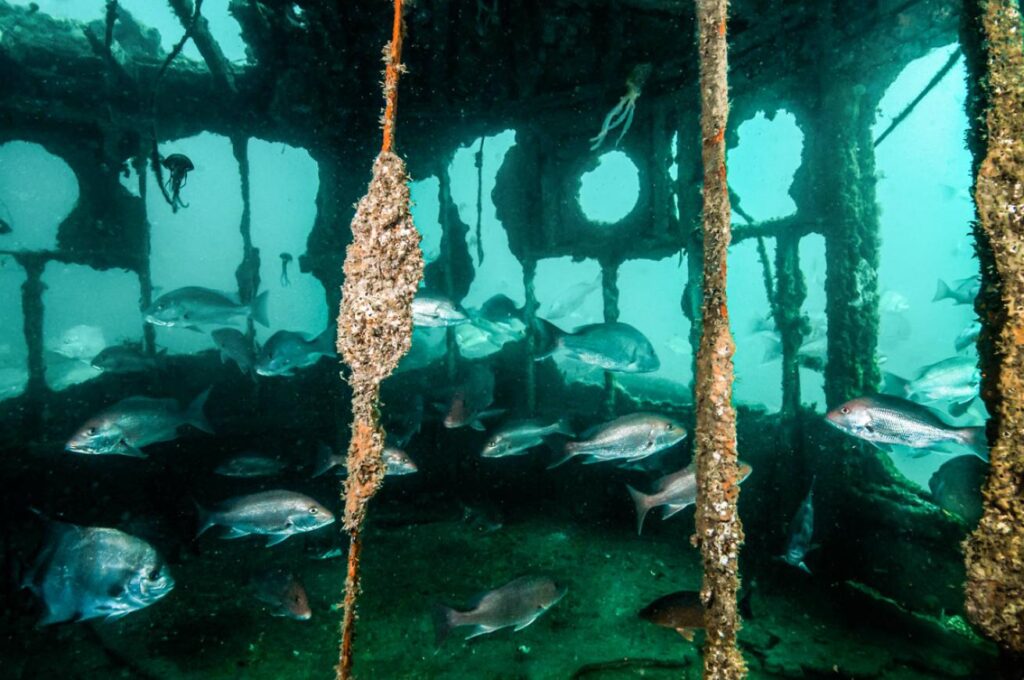
While boating safety is critical, the jetties also support a rich marine ecosystem. The rocks provide shelter and habitat for a variety of fish, crabs, and marine life, which makes the jetties a popular fishing spot. Anglers can often be seen casting from the rocks or nearby boats, hoping to catch redfish, sheepshead, Spanish mackerel, or flounder. However, it’s important for everyone—fishermen included—to be mindful of where they anchor or stand, especially when surf conditions are high or tides are strong.
The jetties also act as a resting point for birds and marine mammals. Dolphins are often spotted playing in the currents near the pass, and sea turtles occasionally pass through during nesting season. The area is part of a broader ecological system that requires a balance between recreation and preservation. Responsible boating and fishing help ensure that these creatures continue to thrive.
Keeping the Pass Safe for Future Generations
Every year, the area around the Perdido Pass jetties sees thousands of boats, and with that level of activity comes the need for community awareness. Safe boating practices don’t just protect individual boaters—they keep the entire waterway running smoothly for locals, charter captains, anglers, and commercial operators.
The city of Orange Beach and the Alabama Marine Resources Division continually monitor and maintain the jetties and surrounding waterways. Dredging operations are sometimes necessary to keep the channel deep enough for boat traffic. And after major storms, inspections are done to assess any damage to the jetty structures. Visitors to the area should respect these efforts by staying informed and following posted signs, warnings, and guidelines.
Local boating clubs and marinas also offer safety courses and information about navigating the pass. Even if you’ve boated elsewhere, Perdido Pass is unique, and a little local insight goes a long way toward preventing problems. Inexperienced or rental boaters are particularly encouraged to ask questions and plan their routes carefully before venturing out.
Final Thoughts: Navigating Perdido Pass with Respect
The jetties at Orange Beach’s Perdido Pass aren’t just piles of rocks—they’re essential tools for safe boating, environmental protection, and coastal stability. They help guide vessels in and out of the Gulf, protect shorelines, and create rich habitats for marine life. But they also come with serious risks if misused or misunderstood.
By learning about the importance of tides, current direction, and proper navigation practices, you can help ensure that your time on the water is safe and enjoyable. Whether you’re a seasoned local captain or a first-time visitor renting a boat, respect for the pass and its power is key. Use tide charts, follow safe boating guidelines, and always err on the side of caution.
Perdido Pass is one of the most beautiful gateways to the Gulf Coast—and when approached with care and knowledge, it’s a place where both adventure and safety can coexist in harmony.


Responses